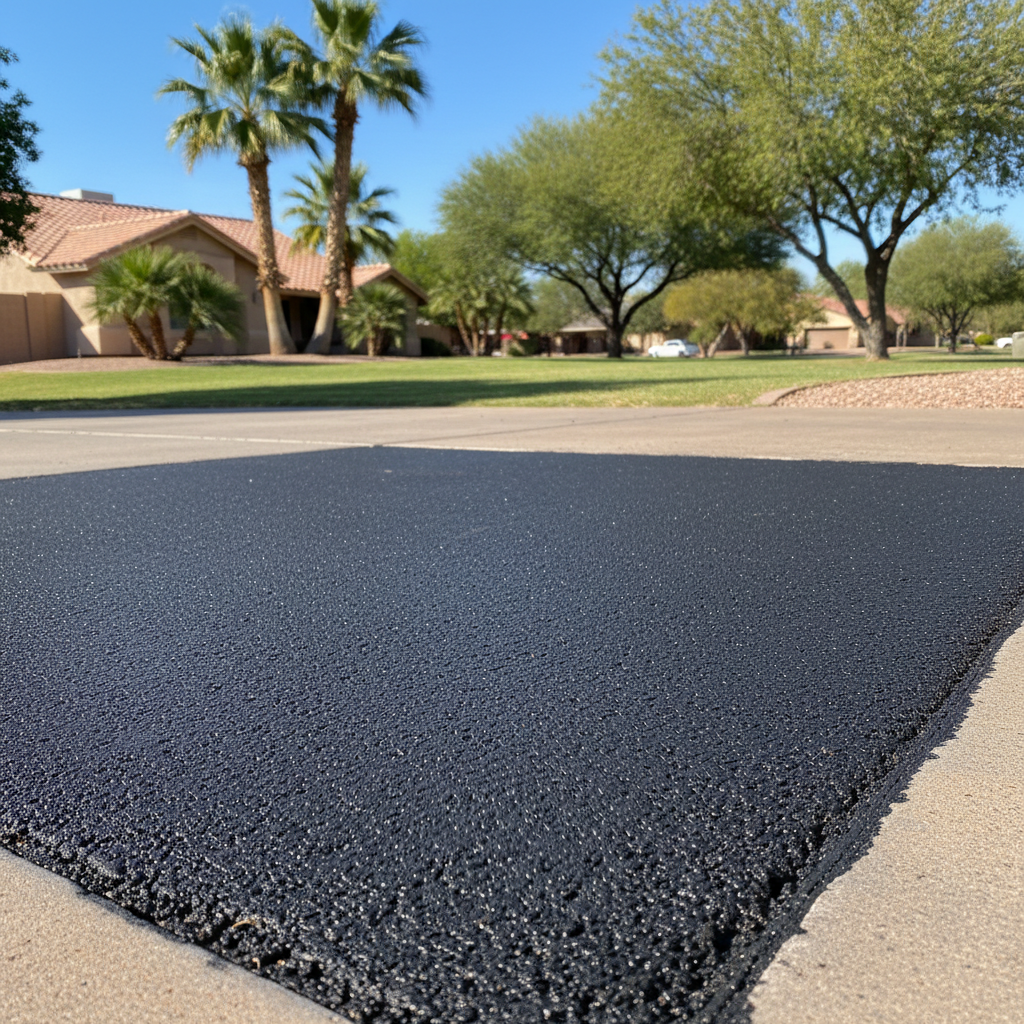
What's the difference between patching and just sealing my driveway?
This is a big one, and it's where a lot of folks get confused. Think of it like this: sealing your driveway is like putting a fresh coat of paint on a wall. It protects the surface, makes it look good, and extends its life, but it doesn't fix any structural problems underneath. Patching, on the other hand, is like repairing a hole in that wall. You're actually cutting out the damaged section of asphalt and replacing it with new material. You seal a healthy driveway to keep it healthy; you patch a damaged one to make it healthy again. You can seal over minor cracks, sure, but if you've got potholes, significant alligator cracking, or areas that are crumbling, you absolutely need to patch first. Sealing over serious damage is just a waste of money because the underlying problem will just come back through the sealcoat, sometimes even worse.
When do I really need to patch, and when can I wait?
You need to patch when the damage is more than just surface-level. If you see potholes forming, areas where the asphalt is breaking into small, interconnected pieces (that's what we call 'alligator cracking' because it looks like alligator skin), or if chunks of your driveway are actually loose or missing, it's time to patch. You shouldn't wait on these. Water is the enemy of asphalt, and these types of damage allow water to seep down into the sub-base, which is the layer of gravel and dirt underneath your asphalt. Once that sub-base gets saturated, it loses its stability, and then your asphalt really starts to fall apart. Small, isolated cracks, especially hairline ones, can often be filled or sealed over. But anything that's letting water sit or penetrate deeply needs attention sooner rather than later. Especially with our monsoon season here in Mesa, that water can do a lot of damage fast.
What kind of patching methods are there, and which is best for my driveway?
There are a few ways we go about patching, and the best one really depends on the type and extent of the damage. The most common and durable method for driveways is what we call a 'cut and patch' or 'full-depth repair.' This is where we cut out the damaged section of asphalt, remove it completely down to the sub-base, compact the sub-base if needed, and then lay down new hot asphalt. This gives you a permanent, strong repair. Another method is 'skin patching' or 'surface patching,' where we just lay a layer of asphalt over the damaged area without cutting it out. This is a temporary fix, usually for very shallow depressions or minor surface wear, and it won't last as long. Then there's 'pothole repair,' which often involves cleaning out the pothole and filling it with hot mix. For smaller, isolated cracks, we might use crack filling, where we inject a hot, rubberized sealant into the crack to prevent water intrusion. For homeowners, a full-depth repair is almost always the best long-term solution for significant damage.
How long does an asphalt patch last?
If done right, a full-depth asphalt patch can last a good long time, often as long as the surrounding asphalt, sometimes even longer if that surrounding asphalt is older. We're talking 5-10 years, sometimes more. The key is proper preparation: making sure the sub-base is solid, using quality hot mix asphalt, and compacting it correctly. A skin patch, on the other hand, might only last a year or two before it starts to delaminate or show signs of wear. It's a temporary fix, plain and simple. The extreme heat we get in Mesa, especially in neighborhoods like Dobson Ranch with older, established driveways, can be tough on asphalt, so quality materials and installation are crucial for longevity.
Can I just do asphalt patching myself to save money?
Look, I get it. Everyone wants to save a buck. And for some minor, hairline cracks, sure, you can get some cold patch or crack filler from the hardware store and give it a shot. But for anything more substantial – potholes, large areas of alligator cracking, or crumbling sections – I strongly advise against a DIY approach. Here's why: you need specialized equipment to do it right. You need to cut clean edges, properly compact the sub-base, and apply hot asphalt at the right temperature, then compact it again with heavy machinery. Cold patch material is a temporary Band-Aid at best; it doesn't have the same durability or structural integrity as hot mix asphalt. If you don't prepare the area correctly, or if you don't compact the new asphalt sufficiently, the patch will fail quickly. You'll end up spending more money in the long run when you have to call us out to fix the DIY job *and* the original problem. It's like trying to fix a leaky roof with duct tape – it might hold for a bit, but it's not a real solution.
What's the typical process when Alpha Asphalt of Mesa patches a driveway?
When you call us out for a patching job, here's generally how it goes. First, we'll come out and assess the damage. We'll figure out what's causing it and determine the best patching method. For a full-depth repair, we'll mark out the damaged area, usually in a nice, neat rectangle or square, to ensure clean edges. Then, we use specialized saws to cut through the existing asphalt. We remove all the old, damaged material, hauling it away. After that, we inspect the sub-base. If it's weak or wet, we'll dry it out, add new aggregate, and compact it thoroughly to create a stable foundation. Then comes the hot asphalt. We apply a tack coat to the edges of the existing asphalt to help the new patch bond properly. We lay down the hot asphalt, rake it out evenly, and then compact it using heavy rollers or vibratory plate compactors until it's dense and smooth, flush with the surrounding pavement. We make sure the drainage is good and the patch is seamless. Once it cools, you're good to go. It's a precise process, and that's how we ensure our patches last.
How much does asphalt patching cost?
That's always the million-dollar question, isn't it? And honestly, it's tough to give a one-size-fits-all answer without seeing the job. The cost depends on several factors: the size of the area needing repair, the depth of the repair (are we just patching the surface or going full-depth?), the type of damage (a simple pothole versus extensive alligator cracking), and how accessible the area is. The cost of materials, especially hot mix asphalt, can fluctuate, too. What I can tell you is that we provide clear, upfront estimates after a thorough inspection. We'll break down what we plan to do and why, so you know exactly what you're paying for. Don't just go with the cheapest bid; make sure you're comparing apples to apples in terms of the patching method and the quality of materials and workmanship. A cheap patch that fails in a year isn't really cheap, is it?
After patching, what should I do to keep my driveway in good shape?
Once your driveway is patched up, you've taken a big step towards extending its life. To keep it that way, regular maintenance is key. First, keep it clean. Sweep away dirt, leaves, and debris, especially from cracks and edges, to prevent water from pooling. Address any new, small cracks as they appear with crack filler – don't let them grow into bigger problems. And most importantly, consider sealcoating your entire driveway every 2-3 years. Sealcoating protects the asphalt from the sun's UV rays, which can dry it out and make it brittle, and from water penetration. It also gives it a fresh, dark appearance. Think of sealcoating as sunscreen for your driveway. It's a relatively inexpensive way to protect your investment and prevent future patching needs. Just make sure any new patches have cured properly, usually 30-90 days, before applying a sealcoat over them.